
Why this work matters
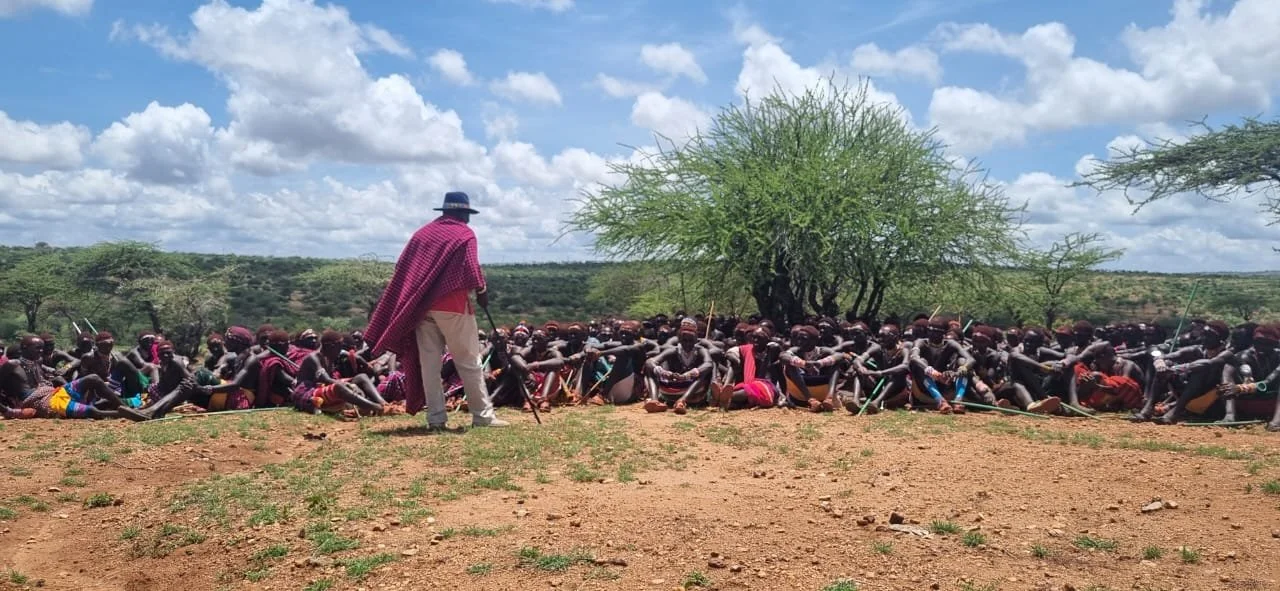
Drought and Water Scarcity
Climate change is having an ever-increasing impact
Drought in Laikipia North is not just an environmental issue—it reshapes livelihoods, migration patterns, social relations, and ecological balance. For Maasai and other pastoralist groups, whose lives are deeply tied to livestock and land, drought threatens cultural continuity as much as economic survival.
The most recent 5-year drought between 2018-2023 drought had devastating consequences; lives were lost to starvation and in areas up to 97 percent of their livestock died. For pastoral families, livestock represents income, food security and cultural identity. When drought hits, everything is affected.
In Laikipia North, drought sets off a chain of serious impacts on both communities and the environment. For the Maasai, Samburu, and other pastoralist groups, it endangers their livestock—the foundation of their culture and economy—while also damaging grazing lands, depleting water sources, and disrupting wildlife habitats.
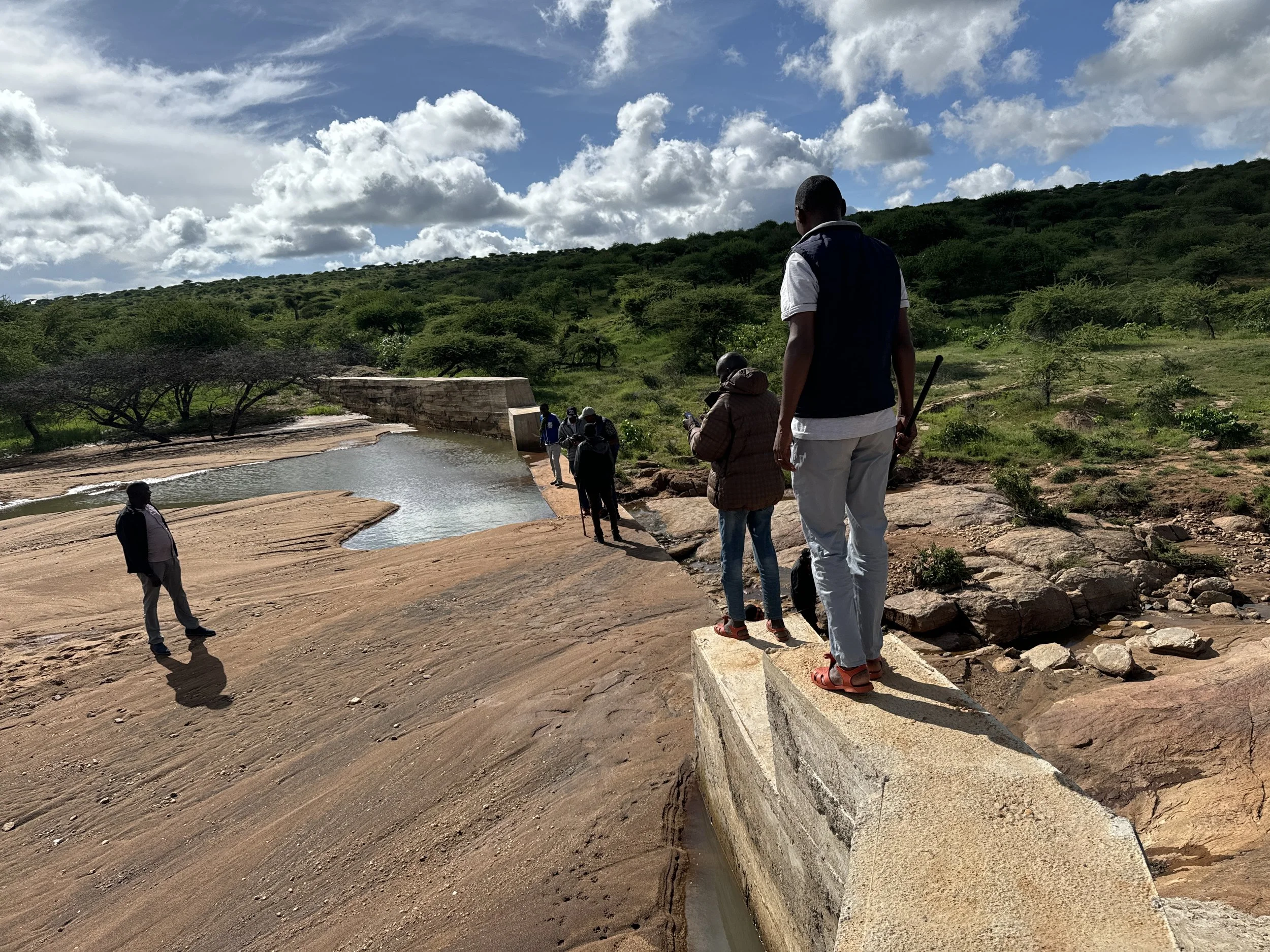
Impacts on Livelihoods & Daily Life
Drought reduces pasture and water availability, weakening livestock and increasing mortality.
Pastoralists in Laikipia identify drought as their major vulnerability, directly threatening their main source of income and food.
Food & Income Insecurity
With livestock weakened, milk production drops, reducing household nutrition and income.
Pastoralism provides up to 95% of family income in Kenya’s drylands, so drought directly destabilizes household economies.
Forced Migration & Mobility Stress
Drought pushes Maasai and other tribal communities to migrate farther in search of pasture and water.
This increases conflict risk, disrupts schooling for children, and strains social networks.
Recent research shows migration is a key coping strategy as droughts intensify.
Livestock Losses & Reduced Productivity
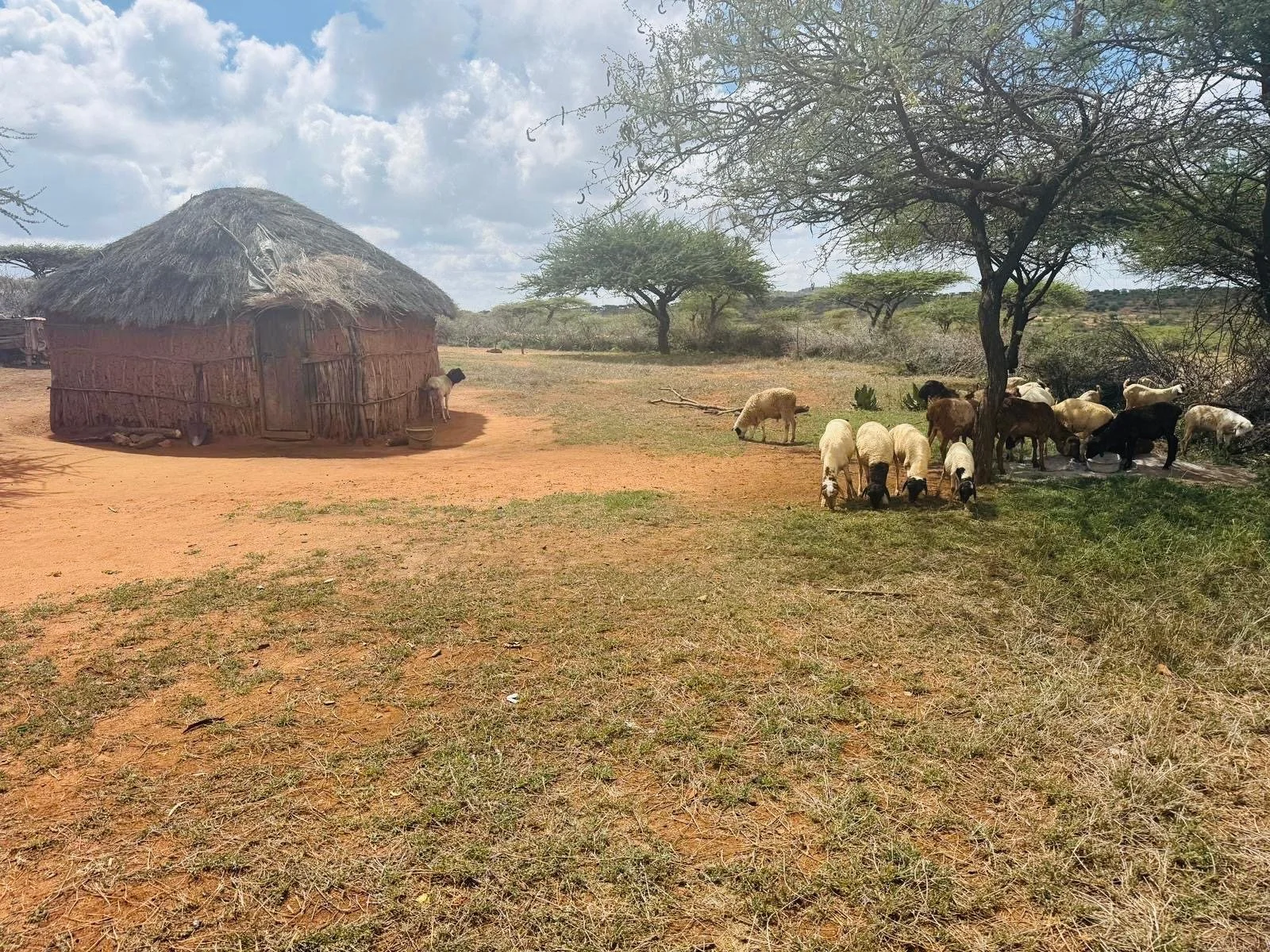
Impacts on Nature & the Environment
Rangeland Degradation
Repeated droughts degrade vegetation cover, making it harder for ecosystems to recover.
Laikipia North recently received below 25% of normal rainfall, stressing vegetation and accelerating land degradation.
Water Scarcity
Rivers, springs, and water pans dry up, affecting both people and wildlife.
Scarcity forces livestock and wildlife to concentrate around fewer water points, increasing disease transmission and overgrazing.
Wildlife Stress & Competition
Wildlife in Laikipia’s conservancies competes with livestock for shrinking forage and water.
This intensifies human–wildlife conflict, especially around private ranches and conservancies.
Food Insecurity
Food insecurity in Laikipia North is driven by a combination of climate stress (drought), restricted mobility, land-use conflict, wildlife pressure, and declining livestock productivity. These factors interact weakening pastoralist resilience and reducing access to food, both directly (milk/meat) and indirectly (income from livestock).
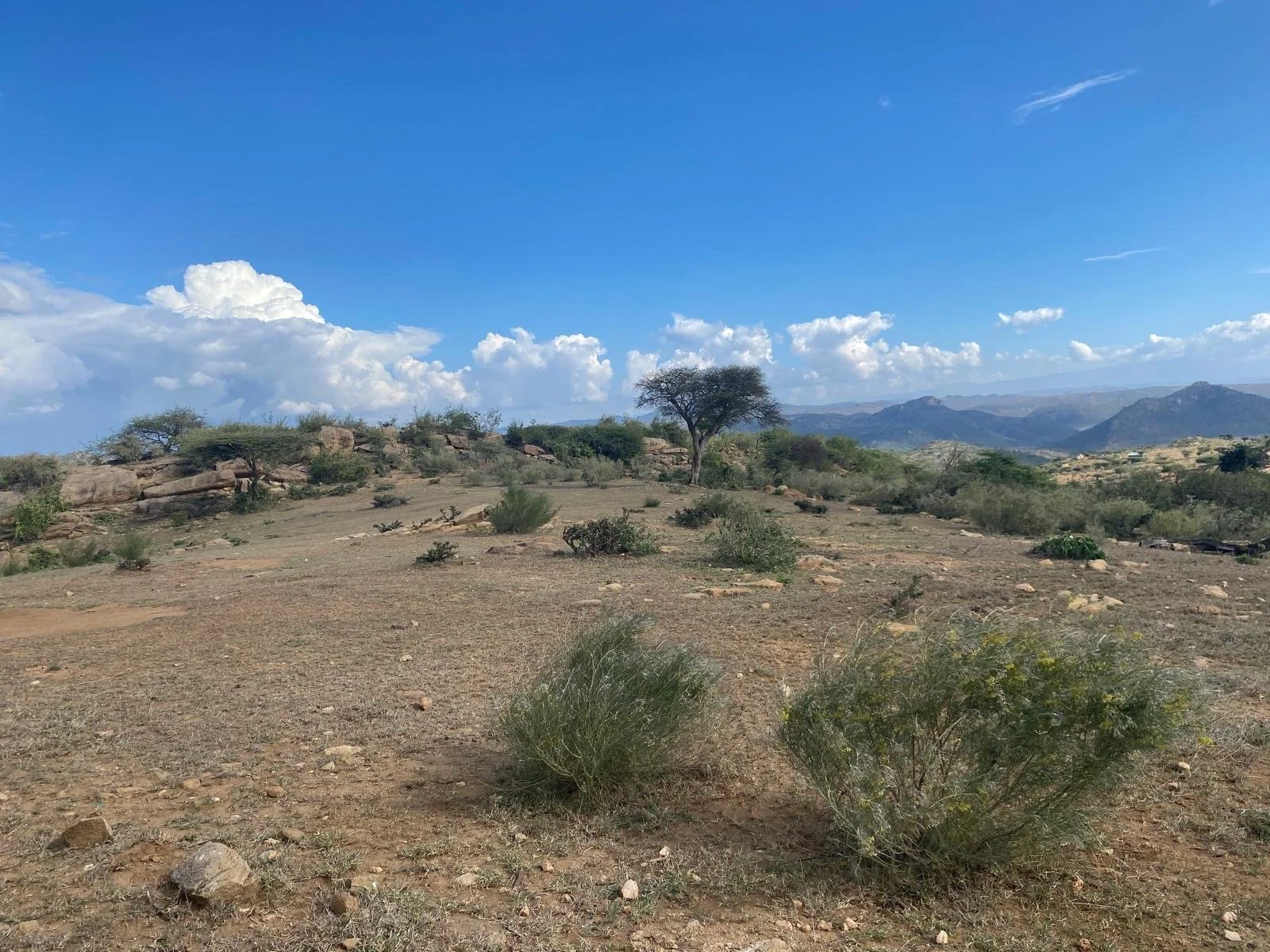
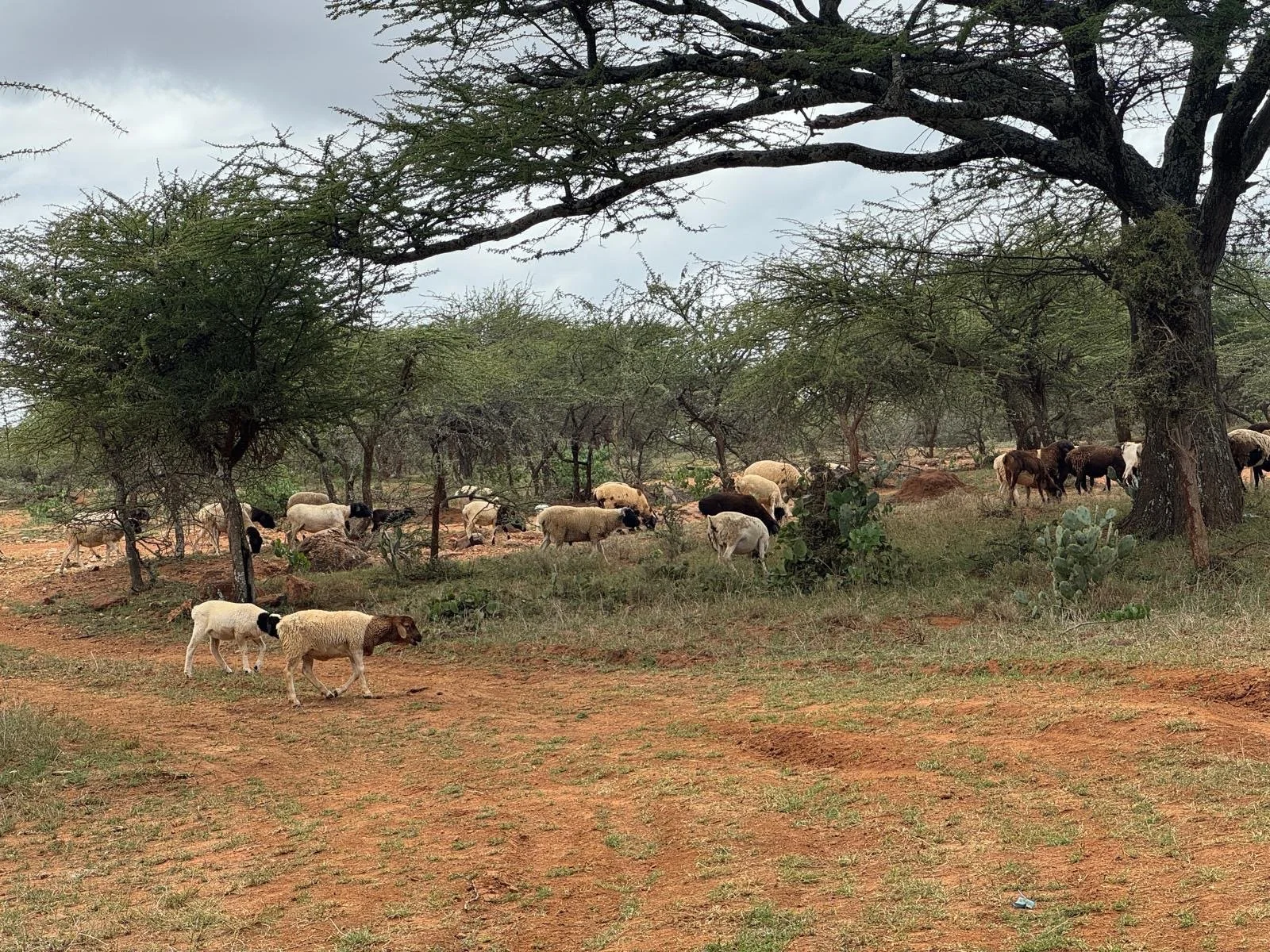
Livestock Losses & Reduced Productivity
Livestock are the main source of food (milk, meat) and income.
During drought, animals lose body condition, produce less milk, and face higher mortality.
Reduced herd sizes directly translate into reduced household food availability.
Resource Conflict & Insecurity
Competition for water and pasture has escalated into violent conflict in parts of Laikipia.
Conflict disrupts grazing patterns, displaces families, and prevents access to key resources.
Insecurity reduces the ability of households to maintain healthy herds, worsening food shortages.
Restricted Mobility & Shrinking Grazing Lands
Mobility is a traditional coping strategy, but land fragmentation and private ranches limit movement.
Reduced access to grazing areas increases pressure on remaining rangelands, worsening food insecurity.
Conflicts over access to forage and water further restrict mobility.
Human–Wildlife Conflict
Wildlife competes with livestock for pasture and water, especially near conservancies.
Crop damage (for agro- pastoralists) and livestock predation reduce food and income.
Market Dependence & Price Volatility
When livestock productivity drops, households rely more on markets for food.
Drought increases food prices while reducing pastoralists’ purchasing power (due to weak livestock).
This creates a double burden: less income + higher food costs.
Environmental Degradation
Overgrazing around limited water points and prolonged dry spells degrade rangelands.
Degraded land recovers slowly, reducing long-term grazing capacity and food security.
Socioecological trends show worsening conditions for pastoralist livelihoods in Laikipia.
Major Health Challenges in Laikipia North
Limited Access to Health Services
Community health services in Laikipia are primarily preventive and promotive, with little or no basic curative care at the community level.
Sparse distribution of health facilities in remote pastoralist areas makes it difficult for tribal households to access timely treatment.
Livelihood Vulnerability & Poverty
Agropastoral households in Laikipia North rely heavily on livestock, making them vulnerable to drought, climate change, and market shocks.
These pressures reduce household income and limit ability to afford healthcare, nutritious food, and sanitation improvements
Environmental & Climate Related Health Risks
Drought cycles and water scarcity increase risks of:
Malnutrition
Waterborne diseases
Poor maternal and child health outcomes
Pastoralist mobility patterns also make consistent healthcare engagement difficult.
Under Resourced Community Health Workforce
Community Health Volunteers (CHVs) and Assistants (CHAs) form the backbone of local health delivery, but they often face:
Inadequate supplies
Limited training
Large geographic coverage areas
This weakens the effectiveness of preventive and promotive health services.
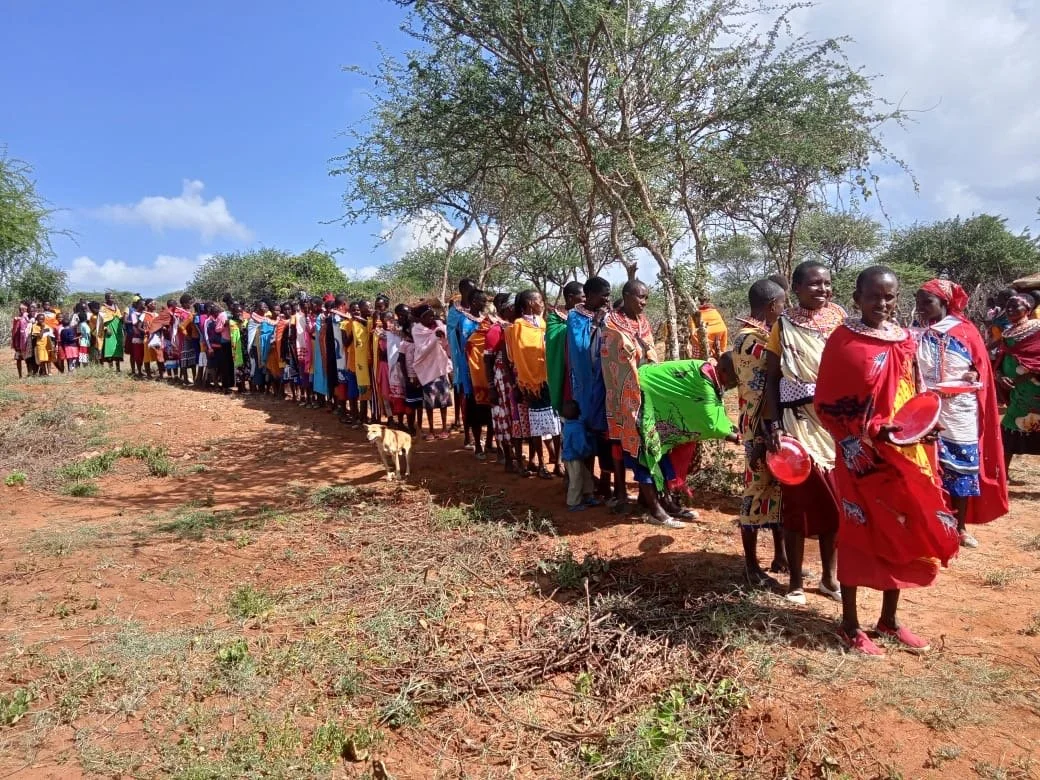
Youth, Identity and Future Opportunity
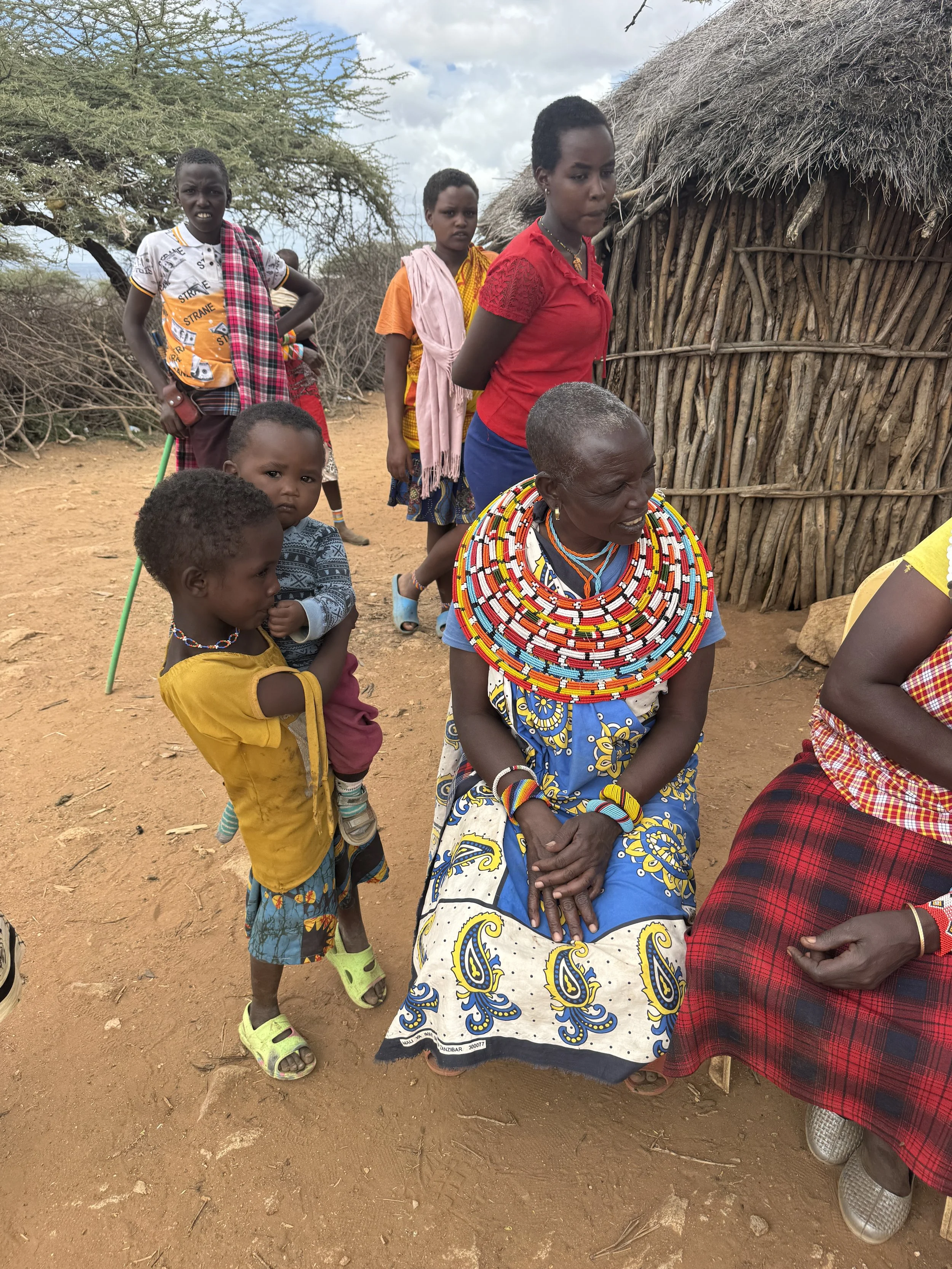
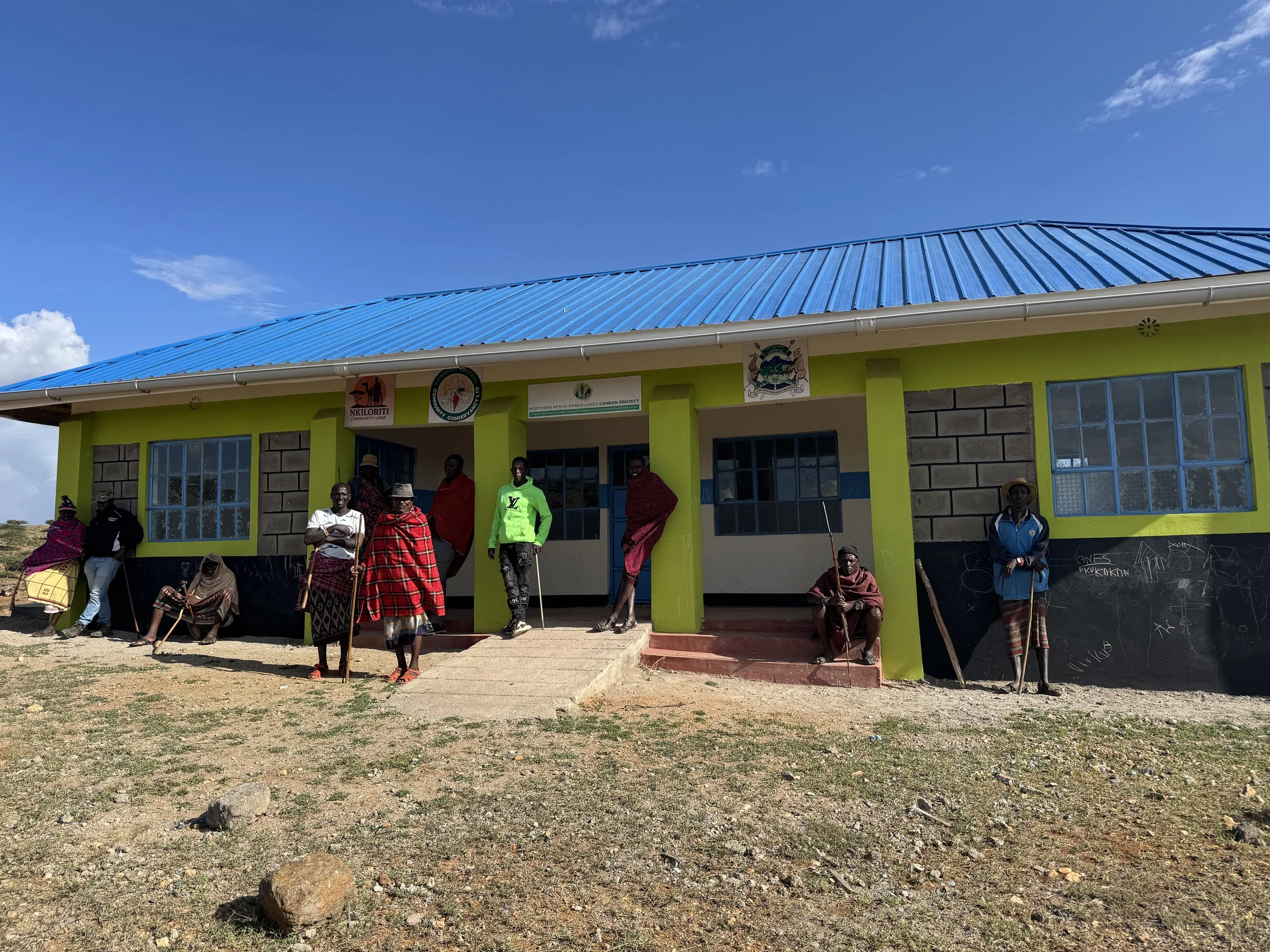
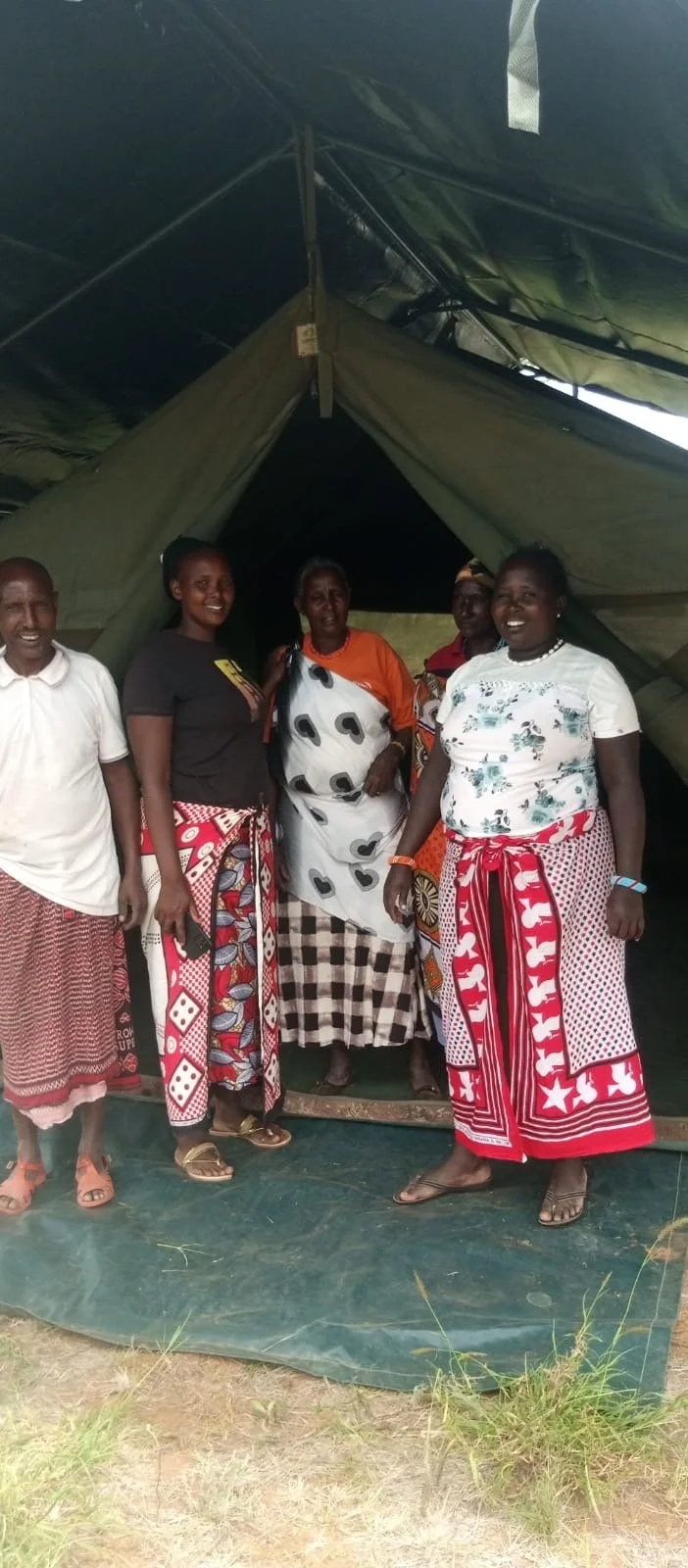
Young people represent the future of pastoral communities. Yet, despite county efforts, youth unemployment remains a significant issue in Northern Laikipia. And it is driving many to leave in search of work, weakening cultural continuity and community cohesion.
Breaking the poverty cycle requires meaningful education, access to training, enterprise and employment pathways that allow young people to thrive. Communities want to see some of these pathways develop in their communities (as opposed to the far-away towns and cities) in the form of work opportunities
These are adaptive challenges that require long term, locally led solutions rooted in community leadership and shared responsibility. When properly supported, this extraordinary landscape and the deep cultural heritage of its communities can open meaningful, sustainable avenues of growth and enterprise for the youth.