Working Together to Build Self-Sustaining Communities in Northern Kenya
A ten-year, community-led partnership driving water & food security, climate resilience, and a strong social economy for tribal communities across Northern Laikipia in Kenya.
What Pamoja Does
“Pamoja” means together in Swahili. It represents unity, collaboration and community. It reflects our core belief that lasting progress happens when people work side by side towards a common or united aim.
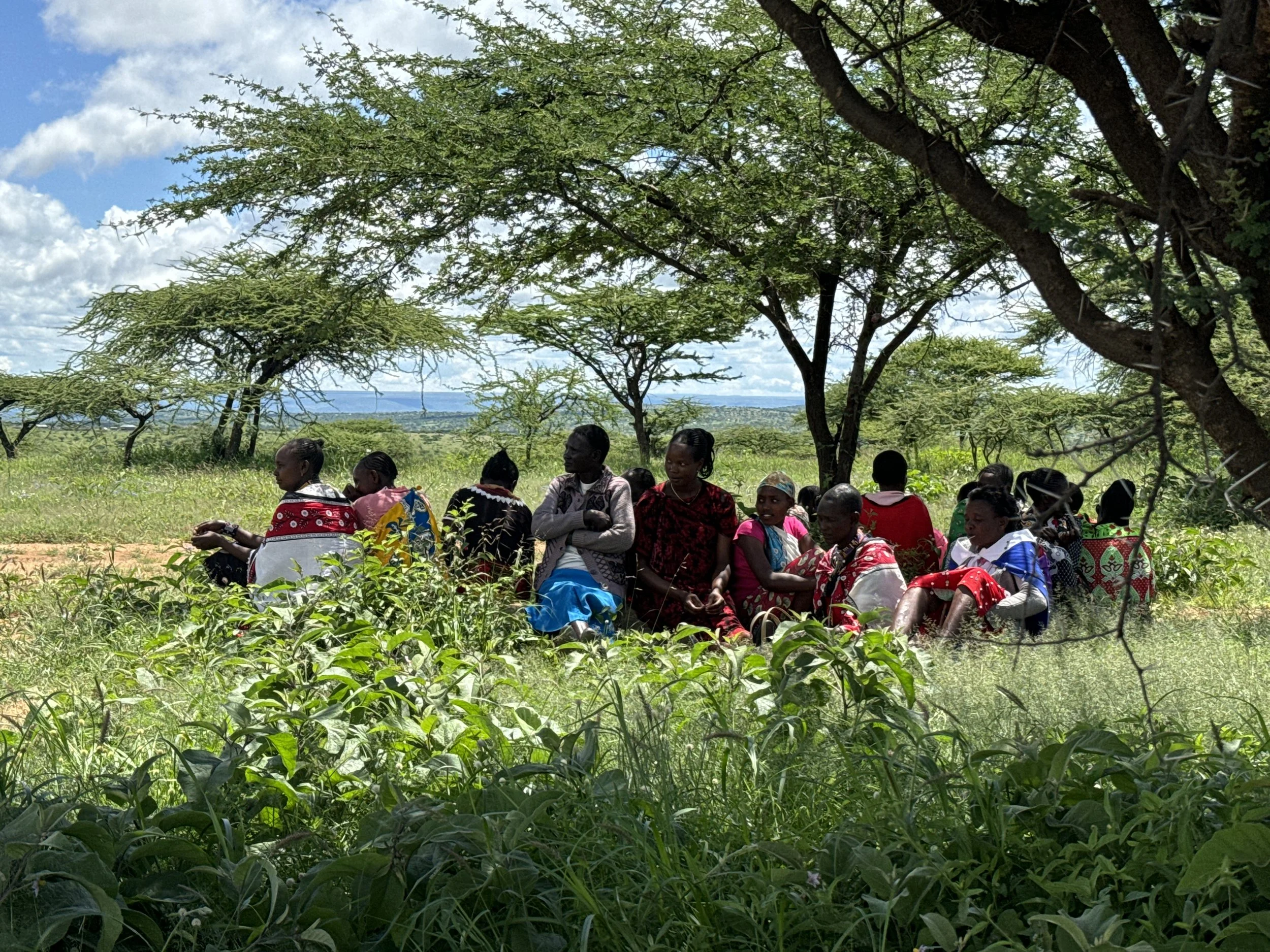
Pamoja Community Development partners with tribal, pastoralist communities (predominantly Maasai & Samburu but not exclusively) in Laikipia North, Kenya, to build self-sufficient eco systems that will support the communities for the future.
Our model is simple. We work alongside communities, not for them.
We do not perpetuate aid dependency. We aim to break it. By combining culturally sensitive innovation with the honoured traditions of pastoralist living, we support communities to move from aid reliant to self-reliance, creating opportunity, and dignity for all.
We are a UK-based Community Interest Company with strong connections in Laikipia North. Our UK team is entirely volunteer led, and our work is delivered in partnership with locally accountable community leadership.
In this founding video, Nigel Watson introduces Pamoja Community Development, the people at the heart of it, and the 10-year vision that’s already taking root in Laikipia and Samburu.
Why this Work Matters
-
Drought in Laikipia North is not just an environmental issue - it reshapes livelihoods, migration patterns, social relations, and ecological balance. For Maasai and other pastoralist groups, whose lives are deeply tied to livestock and land, drought threatens cultural continuity as much as economic survival.
The most recent 5-year drought between 2018-2023 drought had devastating consequences; lives were lost to starvation and in areas up to 97 percent of their livestock died. For pastoral families, livestock represents income, food security and cultural identity. When drought hits, everything is affected.
In Laikipia North, drought sets off a chain of serious impacts on both communities and the environment. For the Maasai, Samburu, and other pastoralist groups, it endangers their livestock—the foundation of their culture and economy—while also damaging grazing lands, depleting water sources, and disrupting wildlife habitats.
-
Currently it is very difficult to grow food without access to the right tools, resources and guidance. Loss of livestock, degraded grasslands and soil erosion have increased reliance on food aid. Repeated drought has stripped communities of their primary livelihood and food source.
Communities are determined to rebuild resilient food systems that reduce dependency, restore land productivity and strengthen local production for the long term.
-
Limited access to healthcare and preventative services places a heavy burden on families, particularly women and children. Malnutrition and lack of maternal and early childhood provision continue to affect long term resilience. In several communities, a complication in child birth means a long and uncomfortable journey via donkey to the nearest specialist or hospital. Life is hard and under threat in so many areas.
Strengthening community-based health systems is essential for sustainable wellbeing.
-
Young people represent the future of pastoral communities. Yet economic pressure and limited opportunity are driving many to leave in search of work, weakening cultural continuity and community cohesion.
Breaking inter-generational poverty requires meaningful education, enterprise and employment pathways that allow young people to thrive without abandoning their identity. Ideally, the communities would love to see some of these pathways leading back into their communities (as opposed to the far-away towns and cities) in the form of work opportunities.
These are adaptive challenges that require long term, locally led solutions rooted in community leadership and shared responsibility.
A Long Term Partnership Model
Lasting change does not come from short term projects.
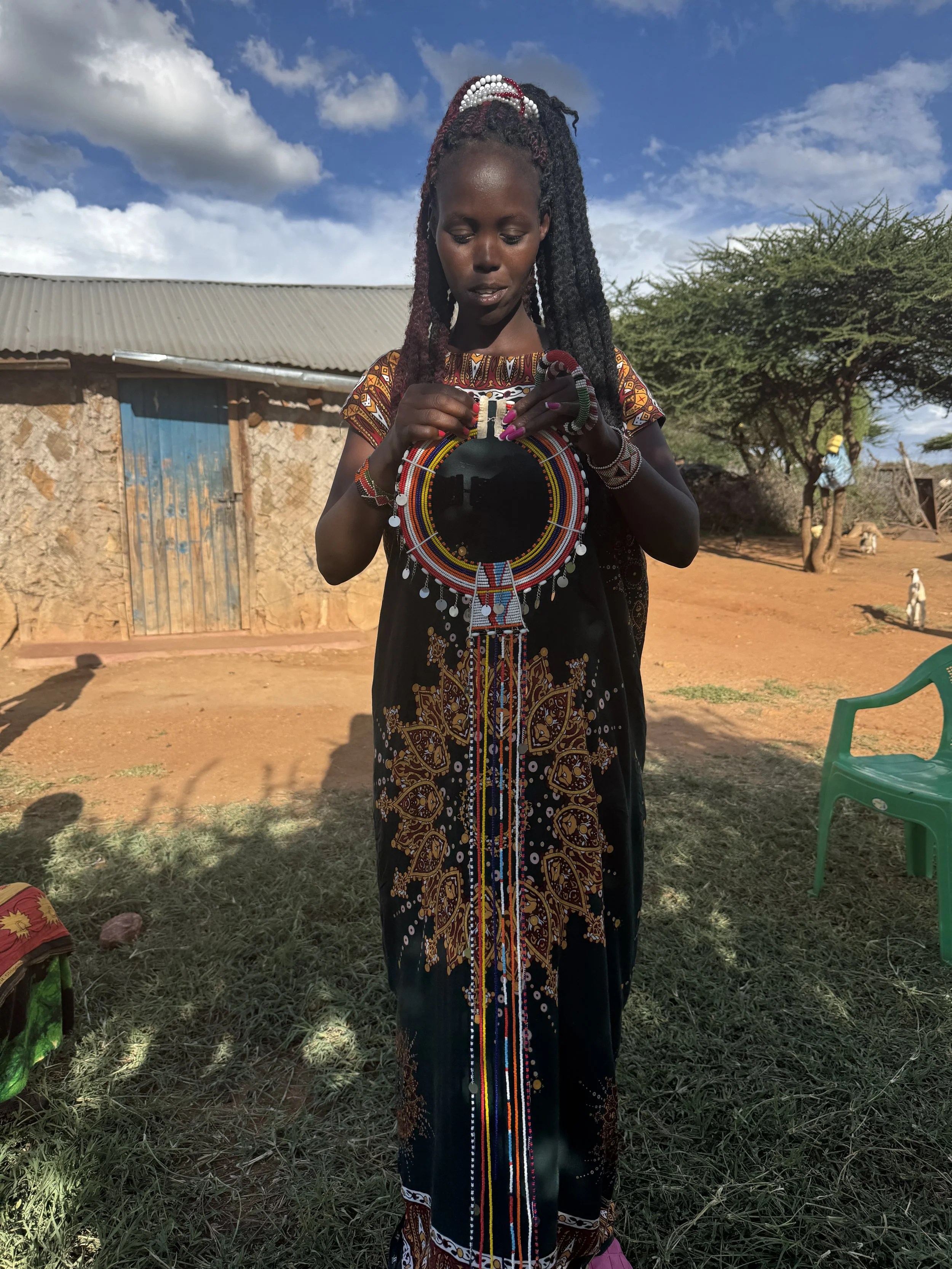
Working in partnership with tribal communities, we have co-created a ten-year strategic roadmap designed to build self-reliance and sustainable livelihoods.
At the heart of this roadmap is the growth of community-owned social enterprises—strengthening the local economy as the primary engine for long-term poverty alleviation and generating resources that can be reinvested into community priorities and infrastructure.
This is not a plan imposed from the outside. It is a shared vision, shaped by local leadership and supported by us. Our focus is clear: strengthen systems, build skills, create opportunity, and champion community ownership.
We prioritise inclusive development across the whole community—women, men, youth, and marginalised groups—ensuring alignment across generations rather than division. Inclusive development is not optional. It is essential.
Our Programmes
-
![Group of Maasai women and two individuals in protective suits with bee-keeping gear, standing outdoors in a dry landscape with trees, gathered around a bee hive.]()
Social Enterprise And Local Economy
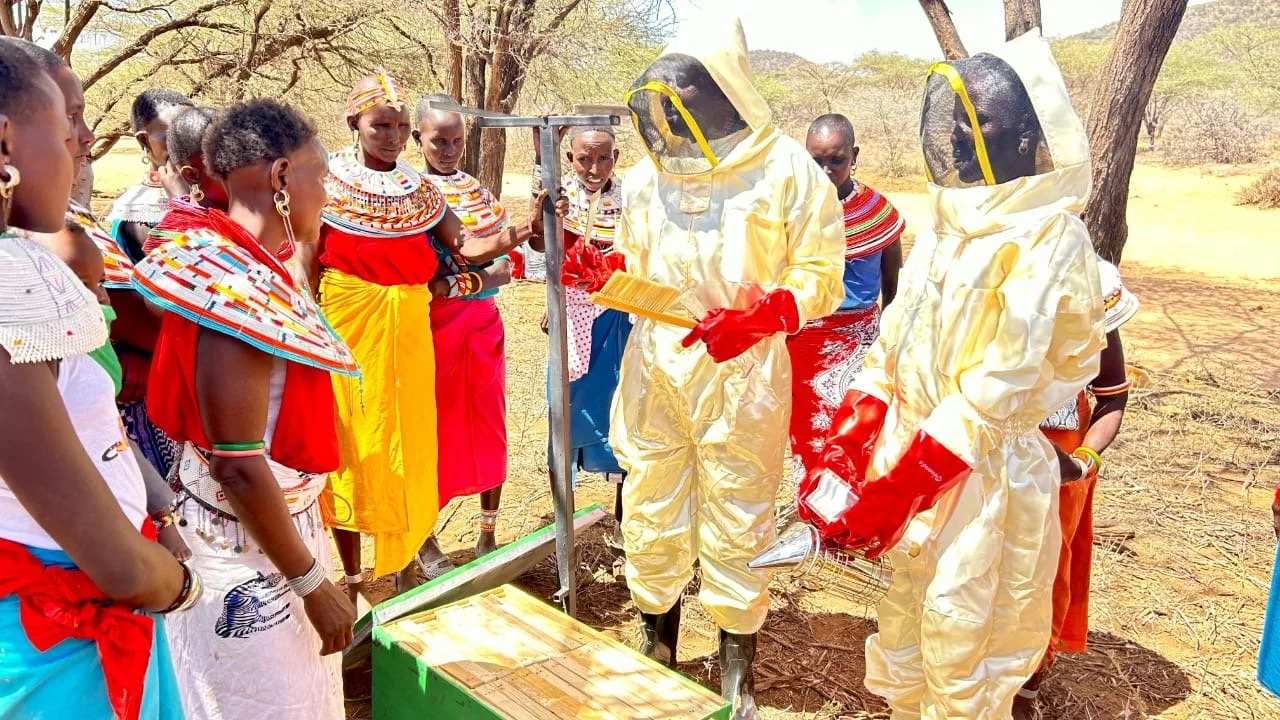
Developing community owned enterprises including eco tourism and honey production. Profits are reinvested into community infrastructure, education and long term sustainability, forming the backbone of our poverty alleviation strategy.
-
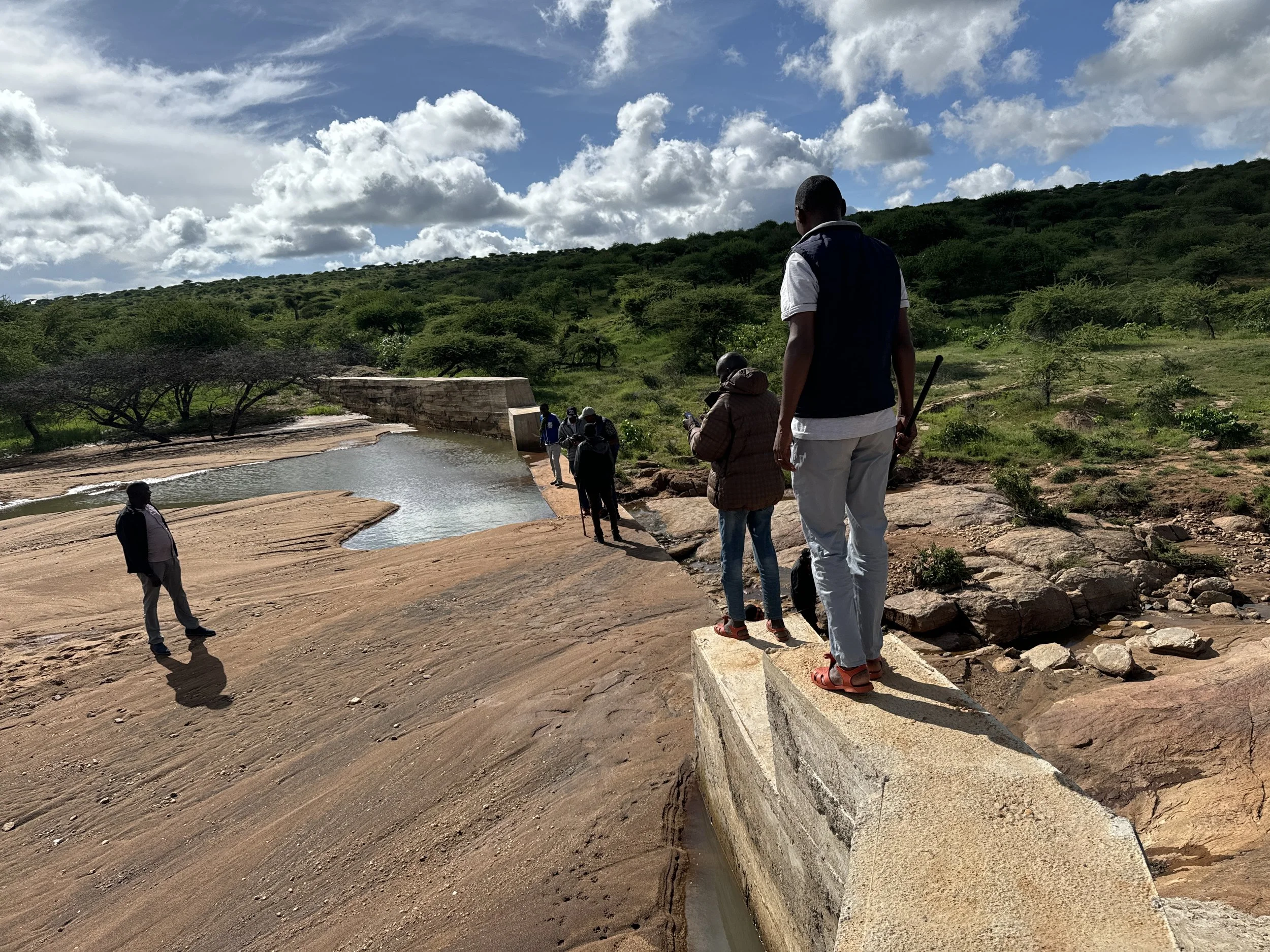
![Group of people walking near a water source in a grassy landscape under a partly cloudy sky.]()
Water security and Management
Developing sustainable water systems that support communities, livestock and wildlife. This includes long term planning, infrastructure development and partnership with local technical experts.
-
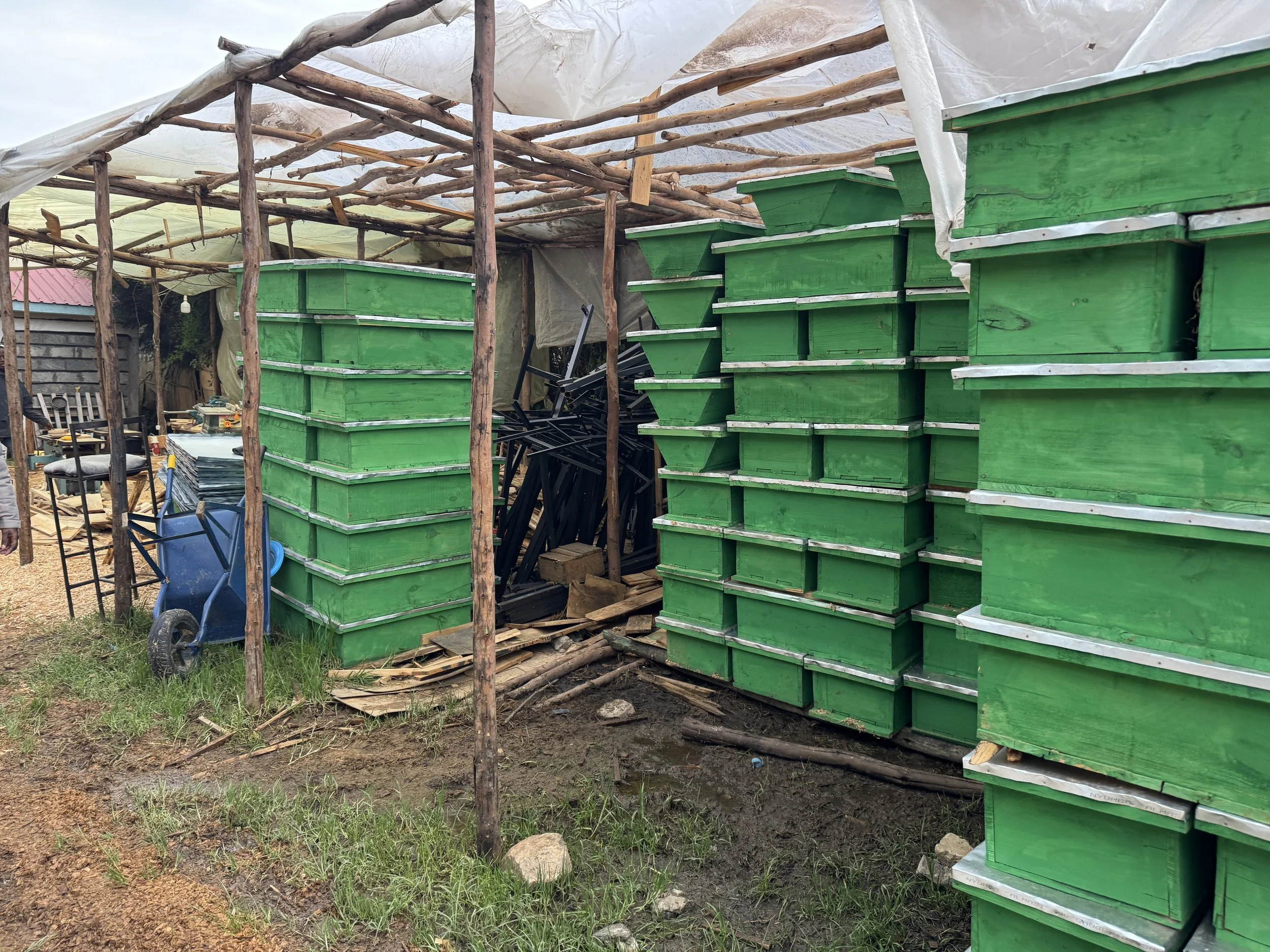
![Stacked green bee boxes or hives under a makeshift roof made of wooden sticks and plastic sheeting, with gardening tools and a wheelbarrow nearby in an outdoor area.]()
Food Security Systems
Supporting agroforestry, beekeeping, animal husbandry and horticulture to build resilient local food systems and diversify income beyond livestock alone.
-
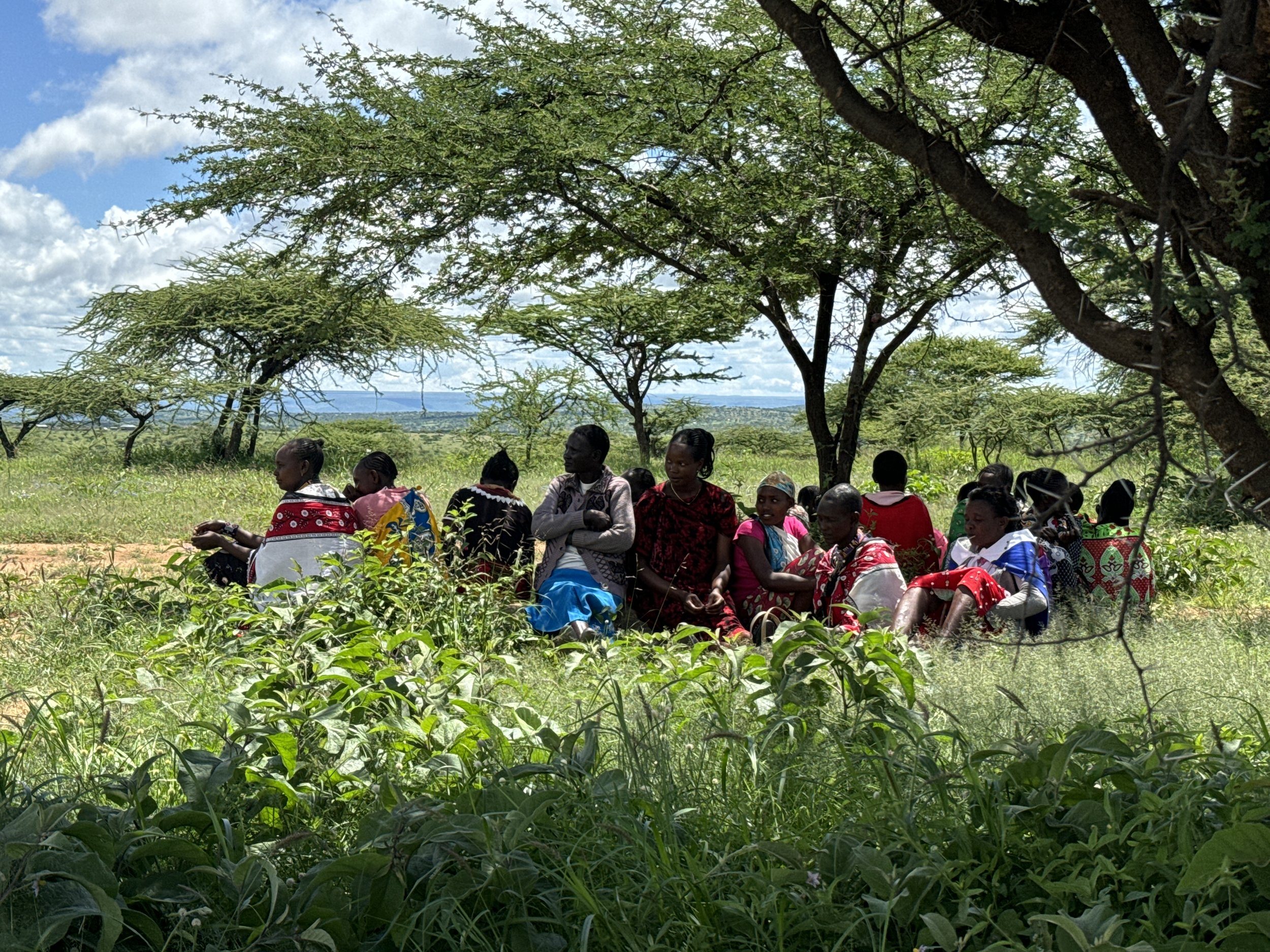
![A group of women and children sitting on the grass under a large tree in a lush, green landscape with a partly cloudy sky.]()
Health and Wellbeing
Strengthening access to preventative health initiatives and community based health programmes that improve long term wellbeing.
-
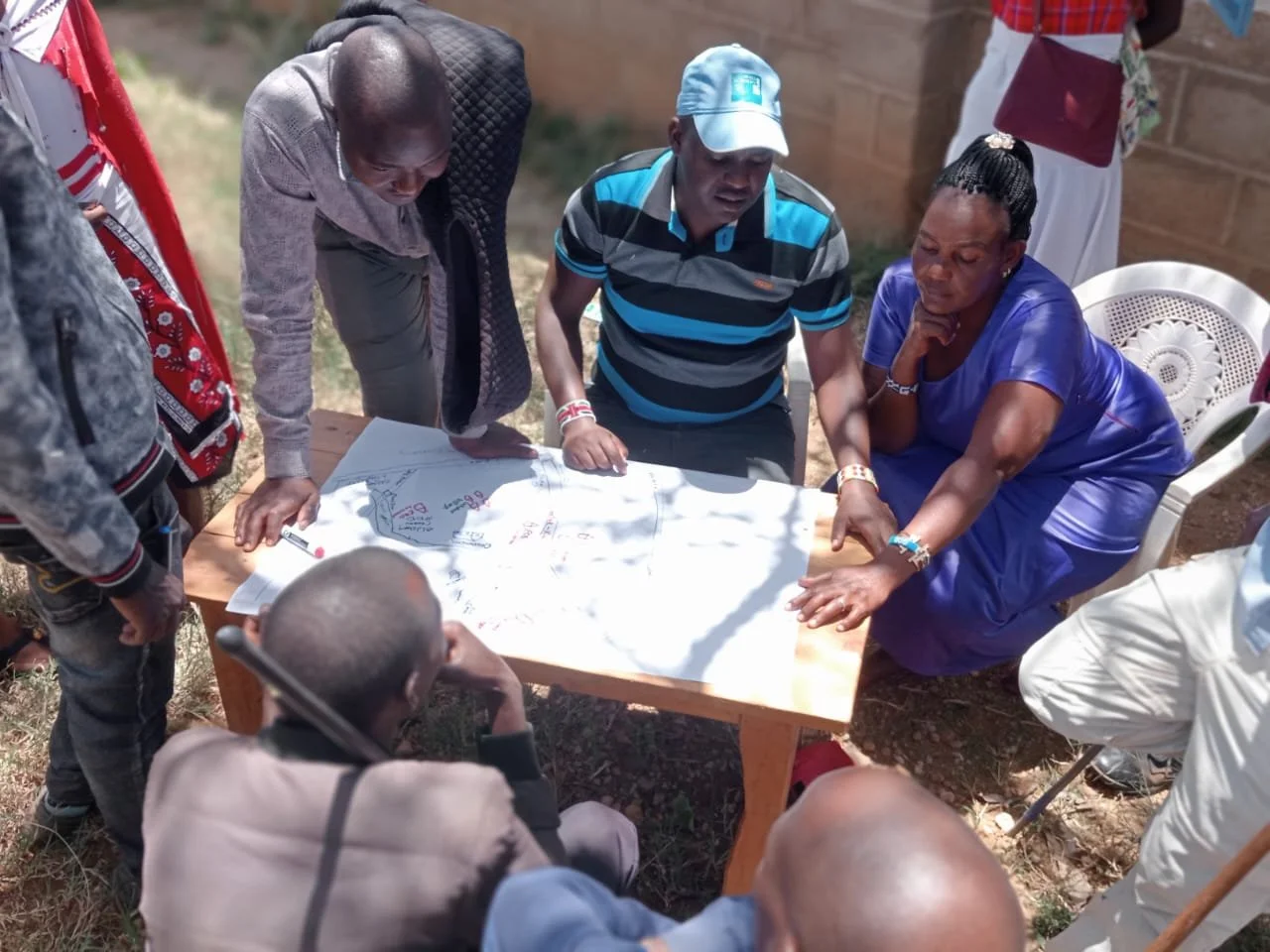
![Group of people gathered around a table looking at large paper with diagrams or plans, outdoors during daytime.]()
Community Needs Assessment and Capacity Building
Working with local leadership to assess needs, strengthen governance structures and ensure development remains inclusive, accountable and community driven.
Why Partner With Us
We have invested two years in deep community engagement and are committed to walking alongside these communities for the long term. Our approach focuses on building sustainable livelihoods grounded in dignity, cultural respect, and shared leadership. Because we are known and trusted, communities engage fully in project design and implementation—reducing the risks that often cause well-intentioned programmes to fail, such as mistrust, low participation, and disengagement once external funding ends.
When you partner with Pamoja Community Development, your investment doesn’t start the work. It accelerates it.
-
Our UK team is entirely volunteerled and self-funded because we deeply believe in this work and its necessity. As a result, every pound donated goes directly to programmes in Kenya. No administrative overhead. Clear accountability. Maximum impact.
-
We partner with locally accountable leadership structures across five community lands. Development priorities are cocreated with communities, not imposed from outside. This ensures relevance, ownership, and longterm success.
-
Our work is guided by a ten-year strategic partnership model. We do not deliver isolated, shortterm projects. We build systems designed to be community-owned, resilient, and enduring long after external support ends.
-
Women, youth, and marginalised groups are central to programme design. Our comprehensive needs assessment ensures decisions are informed, inclusive, and grounded in local realities. No one is left behind.
-
Pamoja Community Development is a registered Community Interest Company with strong governance, responsible management, and transparent monitoring of impact. Learn more here.
-
Many rural and marginalised communities face an intergenerational dependence on aid. We focus on building local enterprise, capacity, and ownership, enabling communities to thrive independently rather than relying on short-term relief.
Join Us in This Journey
Sustainable and inclusive development is not quick or easy—but it is possible. When communities have the tools, trust, and support to lead their own transformation, lasting change becomes achievable.
We are building long-term partnerships rooted in shared responsibility, community ownership, and sustainable enterprise. We welcome individuals, organisations, and technical experts who want to be part of this work.
How You Can Get Involved
Partner With Us
Support long term, community-led development through strategic collaboration or funding.
Offer Technical Expertise
We welcome experienced professionals in areas such as water & health systems, agroforestry & food systems, social entrepreneurship and community development.
Start a Conversation
If you would like to explore how you can contribute, we would love to hear from you.